Remote Teaching and Tutoring Jobs for English Speakers
Discover remote teaching and tutoring opportunities available for English speakers worldwide.
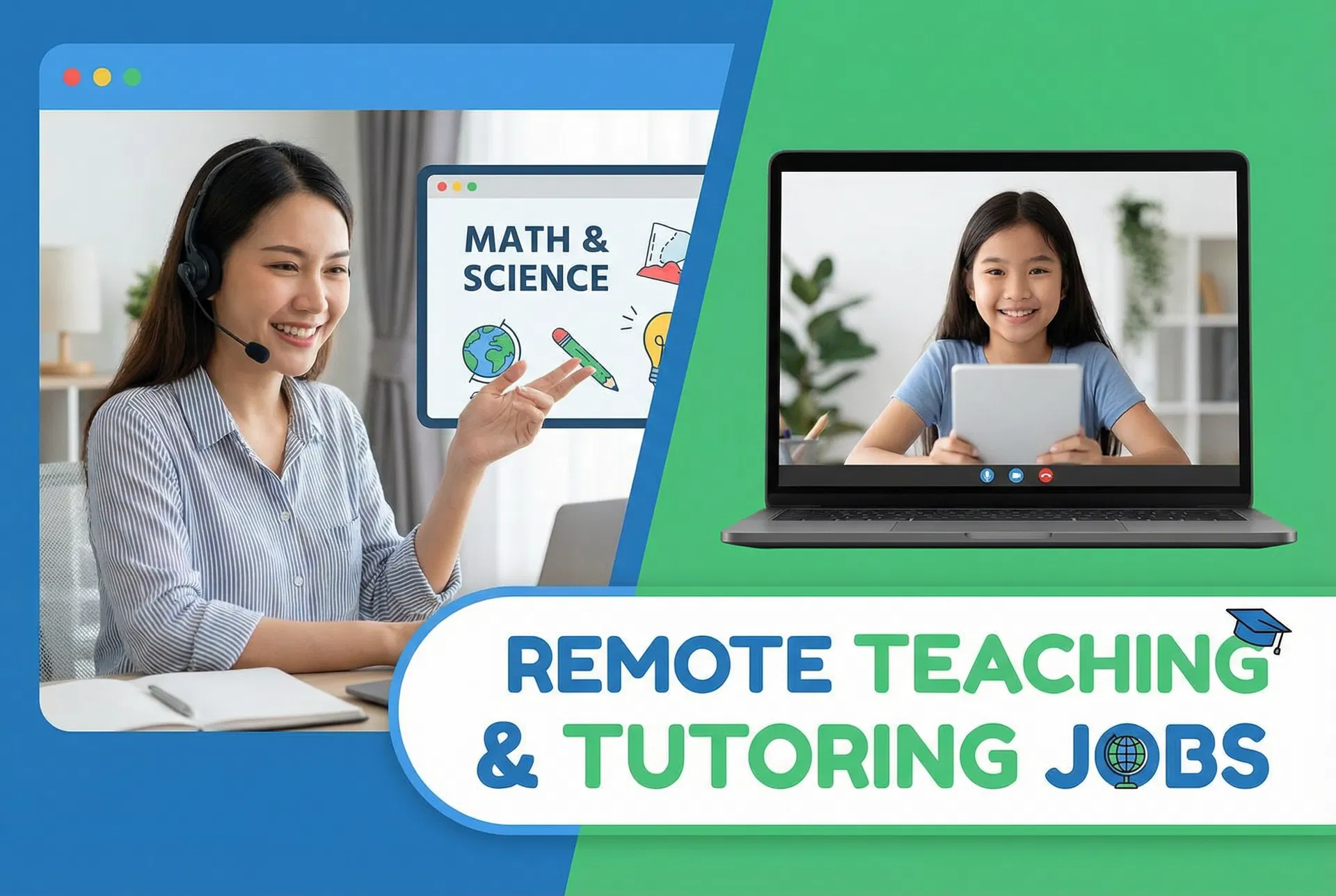
Remote Teaching and Tutoring Jobs for English Speakers: A Comprehensive Guide
I. Introduction: The Rise of Online English Education
The digital age has ushered in unprecedented opportunities for professionals across various sectors, and education is no exception. For English speakers, the demand for online teaching and tutoring has surged, creating a flexible and accessible pathway to earn income, share knowledge, and connect with students globally. This comprehensive guide explores the landscape of remote teaching and tutoring jobs for English speakers, offering insights into the opportunities, challenges, and practical steps to embark on this rewarding career path. While the allure of working from anywhere is strong, it's crucial to approach this field with **realistic expectations**, understanding that consistent effort and professional development are key to success, rather than a “get-rich-quick” scheme.
II. Why Consider Remote English Teaching/Tutoring?
Remote English teaching and tutoring offer a compelling alternative to traditional classroom settings, attracting individuals seeking greater autonomy and flexibility.
A. Flexibility and Work-Life Balance
One of the primary draws of online teaching is the **flexibility** it affords. Teachers can often set their own hours, allowing for a better work-life balance, whether it's accommodating family commitments, pursuing other interests, or traveling. This autonomy can lead to increased job satisfaction and reduced stress.
B. Global Reach and Diverse Student Base
Online platforms connect educators with students from around the world, offering a unique opportunity to engage with diverse cultures and perspectives. This global reach not only enriches the teaching experience but also expands the potential student base, providing more consistent work opportunities.
C. Skill Development and Cultural Exchange
Beyond financial benefits, remote teaching fosters continuous **skill development**. Educators hone their communication, adaptability, and technological proficiencies. Furthermore, the daily interaction with students from different backgrounds facilitates a rich cultural exchange, broadening one's worldview.
III. Types of Remote English Teaching and Tutoring Jobs
The online English education sector is diverse, offering various avenues for English speakers to teach and tutor.
A. Online ESL Platforms
Many teachers find their footing on dedicated **Online ESL Platforms** that connect them with students. These platforms often handle marketing, scheduling, and payment processing, simplifying the administrative burden for teachers. Popular examples include Preply and AmazingTalker. While VIPKid was a prominent platform, its operations have significantly changed due to regulatory shifts in China.
#### 1. Requirements
Most platforms require a **TEFL (Teaching English as a Foreign Language) or TESOL (Teaching English to Speakers of Other Languages) certification**. A bachelor's degree is often preferred, and some platforms may require prior teaching experience. Native English proficiency is typically a prerequisite, though some platforms are open to highly proficient non-native speakers.
#### 2. Earning Potential and Payment Models
Earning potential varies widely, typically ranging from **$10 to $40 USD per hour**, depending on qualifications, experience, and the platform [1]. Some platforms offer bonuses for consistent performance or student retention. Payment models usually involve hourly rates, with earnings paid out weekly or monthly.
#### 3. Typical Student Demographics
Students on these platforms range from young children learning foundational English to adults seeking business English or conversational practice. The demographic often depends on the platform's specialization.
B. Independent Tutoring
For those seeking greater control and higher earning potential, **independent tutoring** is a viable option. This involves setting up one's own business, attracting students, and managing all aspects of the teaching process.
#### 1. Building a Client Base
Building a client base requires proactive effort. This can involve leveraging social media, creating a professional website, networking, and utilizing word-of-mouth referrals.
#### 2. Setting Rates and Managing Schedule
Independent tutors have the freedom to set their own rates, which can often be higher than platform rates. They also have complete control over their schedule, allowing for maximum flexibility.
#### 3. Marketing Strategies
Effective marketing is crucial for independent tutors. This includes creating compelling content, offering trial lessons, and building a strong online presence through platforms like LinkedIn or dedicated tutoring marketplaces.
C. Online Schools and Universities
More established educators may find opportunities with **online schools and universities**. These roles often require higher qualifications and offer more structured employment.
#### 1. Requirements
These positions typically demand a master's degree, state teaching certification, and significant prior teaching experience. Familiarity with online learning management systems is also often required.
#### 2. Salary and Benefits
Salaries are generally more stable and competitive, often including benefits packages similar to traditional teaching roles. These positions offer a more predictable income stream compared to platform-based or independent tutoring.
#### 3. Curriculum and Structure
Online schools and universities follow established curricula and academic calendars, providing a structured teaching environment with clear learning objectives.
IV. Essential Qualifications and Skills
Success in remote English teaching hinges on a combination of formal qualifications and crucial soft skills.
A. TEFL/TESOL Certification: What it is and why it matters
A **TEFL or TESOL certification** is often the foundational requirement. These certifications equip teachers with methodologies for teaching English to non-native speakers, covering grammar, lesson planning, and classroom management techniques. They demonstrate a commitment to professional standards and are widely recognized by online platforms and institutions.
B. English Proficiency (Native vs. Non-Native Speakers)
While native English speakers are often preferred, highly proficient **non-native English speakers** with excellent grammar, pronunciation, and teaching skills can also succeed. The key is to demonstrate a strong command of the language and effective pedagogical approaches.
C. Technical Requirements
Reliable technology is non-negotiable. This includes a **stable internet connection**, a functioning computer or laptop, a high-quality webcam, and a headset with a microphone. A quiet, well-lit teaching environment is also essential.
D. Soft Skills
Beyond technical abilities, several soft skills are paramount:
- **Patience:** Learning a new language can be challenging for students, requiring teachers to be understanding and supportive.
- **Adaptability:** Online teaching environments can present unexpected technical glitches or diverse learning styles, necessitating flexibility.
- **Communication:** Clear and concise communication is vital for conveying complex concepts and building rapport with students.
- **Engagement:** The ability to keep students engaged and motivated in a virtual setting is crucial for effective learning.
V. Earning Potential and Financial Realities
Understanding the financial landscape of remote English teaching is key to setting realistic expectations.
A. Hourly Rates: Factors influencing pay
Hourly rates are influenced by several factors:
- **Experience:** More experienced teachers often command higher rates.
- **Qualifications:** A bachelor's degree, TEFL/TESOL, and specialized certifications can increase earning potential.
- **Platform:** Different platforms have varying pay structures. Independent tutors can set their own, often higher, rates.
- **Student Type:** Teaching business English or specialized subjects to adults may pay more than general English to children.
B. Monthly Income: Realistic ranges and how to maximize earnings
While some teachers report earning **$2,000-$2,500 per month** working around 30-40 hours a week [2], these figures can vary significantly. Maximizing earnings often involves:
- **Building a strong reputation:** Positive student reviews and high ratings can lead to more bookings.
- **Consistent availability:** Being available during peak hours in various time zones can increase opportunities.
- **Specialization:** Focusing on a niche (e.g., IELTS preparation, business English) can attract higher-paying students.
- **Independent tutoring:** Transitioning to independent tutoring can offer greater control over rates.
C. Understanding Payment Structures and Taxes
Most online teachers operate as independent contractors, meaning they are responsible for their own taxes. It's crucial to understand the tax implications in your country of residence and set aside a portion of your earnings for this purpose. Platforms typically pay via PayPal, direct bank transfer, or other online payment systems.
D. Case Studies/Examples
Discussions on platforms like Reddit often provide real-world insights into earnings. For instance, some teachers on platforms like italki report earning a sustainable income, while others highlight the need to diversify income streams [2].
VI. Challenges and How to Overcome Them
Remote teaching, while rewarding, comes with its own set of challenges.
A. Technical Issues
**Internet connectivity issues** and software glitches can disrupt lessons. Having a backup internet source (e.g., mobile hotspot) and familiarizing oneself with troubleshooting steps can mitigate these problems.
B. Student Engagement and Motivation
Keeping students engaged in a virtual environment can be difficult. Utilizing interactive activities, multimedia resources, and personalized lesson plans can help maintain motivation [3].
C. Time Zone Differences and Scheduling
Working with students across different time zones can lead to irregular working hours. Creating a consistent schedule and clearly communicating availability can help manage this.
D. Isolation and Lack of Colleague Interaction
Online teaching can sometimes feel isolating due to the lack of in-person colleague interaction. Joining online teacher communities, participating in forums, and attending virtual workshops can help combat this [4].
E. Marketing and Client Acquisition (for independent tutors)
Independent tutors face the ongoing challenge of marketing themselves and acquiring new clients. Continuously refining marketing strategies and building a strong online presence are essential.
VII. Practical Steps to Get Started
Ready to embark on your remote teaching journey? Here are actionable steps:
A. Get Certified (TEFL/TESOL)
Invest in a reputable **TEFL or TESOL certification**. Many accredited online courses are available, offering comprehensive training.
B. Build a Professional Profile/Resume
Create a compelling resume or online profile highlighting your qualifications, experience, and any relevant skills. Include a professional headshot and a short introductory video if applying to platforms.
C. Choose the Right Platform(s) or Strategy
Research various online ESL platforms and independent tutoring strategies. Consider your experience, desired earning potential, and preferred student demographic to choose the best fit.
D. Prepare Your Teaching Environment
Set up a dedicated, quiet, and well-lit teaching space. Ensure your internet connection is stable and your equipment is in good working order.
E. Continuous Professional Development
The online education landscape is constantly evolving. Stay updated with new teaching methodologies, technologies, and student engagement strategies through workshops, webinars, and online resources.
VIII. Conclusion: A Rewarding Path with Realistic Expectations
Remote teaching and tutoring offer a flexible and fulfilling career path for English speakers, enabling them to impact lives globally while enjoying the freedom of remote work. While the benefits are numerous, it's crucial to approach this field with **realistic expectations**, understanding the commitment required to build a sustainable income. Challenges such as technical issues, student engagement, and time zone differences are part of the journey, but with preparation and adaptability, they can be overcome. By investing in qualifications, continuously developing skills, and proactively managing their careers, English speakers can find immense satisfaction and success in the dynamic world of online education. It's a path that rewards dedication, patience, and a genuine passion for teaching.
IX. External Resources
- [1] International TEFL Academy: How Much Money Can You Make Teaching English Online? (https://www.internationalteflacademy.com/blog/how-much-money-can-i-make-teaching-english-online)
- [2] Reddit: Has anyone actually made a living off online English teaching? (https://www.reddit.com/r/OnlineESLTeaching/comments/mbhp5z/has_anyone_actually_made_a_living_off_online/)
- [3] TeachingEnglish | British Council: Challenges of online teaching (https://www.teachingenglish.org.uk/professional-development/teachers/using-digital-technologies/challenges-online-teaching)
- [4] The TEFL Academy: 5 Challenges Of Teaching English Online While Travelling (https://www.theteflacademy.com/blog/5-challenges-of-teaching-english-online-while-travelling/)
X. Internal Linking Suggestions
- The Ultimate Guide to Becoming a Digital Nomad
- Top 5 Online Platforms for Freelancers
- Mastering Time Management for Remote Work
- Building a Strong Personal Brand Online
- Understanding International Tax Laws for Freelancers
Ready to Start?
Explore more resources and guides to help you succeed in your online income journey.
Related Articles

Remote Work Jobs for Beginners: No Experience Needed
Discover remote job opportunities perfect for beginners with no experience required.

Virtual Assistant Jobs: How to Get Started
Learn how to become a virtual assistant and start earning money managing tasks for busy professionals.

Passive Income Ideas That Actually Work
Learn realistic passive income ideas that actually generate money with minimal ongoing effort.