Remote Work Jobs for Beginners: No Experience Needed
Discover remote job opportunities perfect for beginners with no experience required.
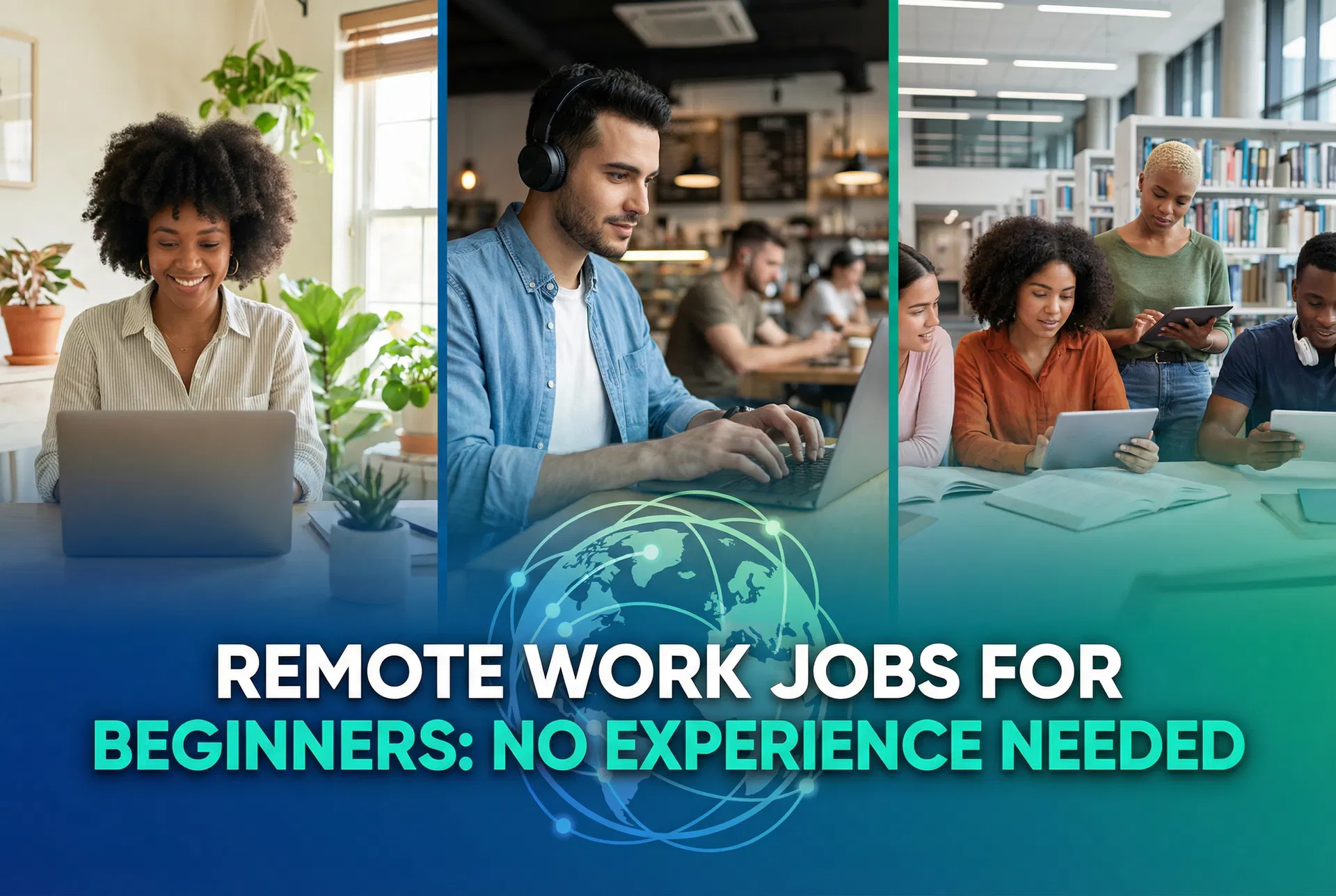
Remote Work Jobs for Beginners: No Experience Needed
The Rise of Remote Work and Opportunities for Beginners
The landscape of work has undergone a significant transformation, with remote work emerging as a dominant force. What was once considered a niche arrangement, primarily for senior professionals or tech experts, has now become a mainstream option, opening doors for individuals from all walks of life. This shift has created unprecedented opportunities, particularly for those looking to enter the workforce or change careers without prior formal experience in a specific field. It's a common misconception that remote roles are exclusive to seasoned professionals. In reality, many companies are increasingly focusing on transferable skills, potential, and a willingness to learn, rather than solely on a lengthy resume or traditional work history.
The digital age has democratized access to employment, allowing individuals to contribute their talents from virtually anywhere. This means that if you're eager to start a remote career but lack conventional experience, you're not alone, and more importantly, you're not without options. The key lies in understanding how to leverage your existing abilities and identify roles that value foundational skills over extensive professional backgrounds. This article will guide you through the process of discovering entry-level remote jobs, building your profile, and navigating the path to a successful remote career, all while maintaining realistic expectations about earning potential and challenges.
Identifying Your Transferable Skills
One of the most crucial steps in securing a remote job with no formal experience is recognizing and articulating your **transferable skills**. These are abilities developed through various life experiences—be it academic projects, volunteering, personal hobbies, or even managing household responsibilities—that can be applied to a professional setting. Employers in the remote sphere often prioritize soft skills, as they are fundamental to effective communication, collaboration, and productivity in a distributed team environment.
Consider instances where you've demonstrated strong communication, problem-solving, organization, time management, or adaptability. For example, if you've successfully managed a personal budget, you possess organizational and planning skills. If you've resolved conflicts within a group project, you've honed your problem-solving and communication abilities. These seemingly ordinary experiences are invaluable. Many entry-level remote positions are designed for individuals who can follow instructions, communicate clearly, and demonstrate reliability. The ability to learn quickly and adapt to new tools and processes is often more valued than a specific degree or years of experience. By identifying and highlighting these inherent strengths, you can effectively communicate your worth to potential employers, even without a traditional work history.
Top Remote Jobs for Beginners (No Experience Required)
Many remote roles are accessible to beginners, offering a pathway into the digital workforce. These positions often provide training and focus on foundational skills. Here are some of the most common entry-level remote jobs, along with their typical duties, required skills, realistic earning potential, and potential challenges:
Customer Service Representative
**Description**: Customer service representatives handle inquiries, resolve issues, and provide support to customers via phone, chat, or email. This role is often the first point of contact for customers and requires a helpful and patient demeanor.
**Skills**: Excellent communication (written and verbal), active listening, empathy, patience, and problem-solving abilities are crucial. Basic computer literacy and the ability to navigate multiple systems simultaneously are also important.
**Earning Potential**: Entry-level customer service roles typically offer **$15-$20 per hour** [1]. Some companies may offer performance-based bonuses.
**Challenges**: Dealing with difficult or frustrated customers, repetitive tasks, and maintaining a positive attitude under pressure can be demanding. It's essential to develop resilience and effective stress management techniques.
Data Entry Specialist
**Description**: Data entry specialists are responsible for inputting and managing information into computer systems, databases, or spreadsheets. This role requires high accuracy and efficiency.
**Skills**: Exceptional attention to detail, fast and accurate typing skills, basic computer proficiency, and organizational abilities are key. Familiarity with spreadsheet software like Microsoft Excel or Google Sheets is often beneficial.
**Earning Potential**: The typical hourly wage for data entry specialists ranges from **$12-$18 per hour** [2]. Pay can vary based on the complexity of the data and the required speed.
**Challenges**: The work can be monotonous and requires sustained focus. Strict deadlines and the need for absolute accuracy can also be challenging. Maintaining ergonomic practices is important to prevent strain.
Virtual Assistant
**Description**: Virtual assistants (VAs) provide administrative, technical, or creative assistance to clients remotely. Tasks can vary widely, from managing emails and scheduling appointments to social media management and content creation.
**Skills**: Strong organizational skills, excellent time management, proactive communication, and proficiency with common office software (e.g., Google Workspace, Microsoft Office, project management tools like Trello or Asana) are essential. Adaptability and a willingness to learn new tools are also highly valued.
**Earning Potential**: VAs can earn between **$15-$30 per hour**, with rates often increasing based on specialized skills and experience [3]. Freelance VAs can set their own rates.
**Challenges**: Juggling multiple clients and their diverse needs, managing expectations, and maintaining clear boundaries between work and personal life can be demanding. Self-discipline is vital for success.
Social Media Manager/Assistant
**Description**: Social media managers or assistants help businesses manage their social media presence, create engaging content, schedule posts, and interact with their audience. This role is crucial for online brand building and marketing.
**Skills**: Creativity, a strong understanding of various social media platforms (e.g., Facebook, Instagram, X, LinkedIn, TikTok), basic content creation skills (e.g., graphic design with Canva, video editing), and good written communication are important. An understanding of current trends and analytics is a plus.
**Earning Potential**: Entry-level social media roles typically pay **$15-$25 per hour** [2]. Experience and a proven track record can lead to higher earnings.
**Challenges**: The fast-paced nature of social media requires constant learning and adaptation. Managing online reputation, dealing with negative comments, and staying updated with algorithm changes can be stressful. It's important to maintain a professional online persona.
Online Tutor/Teacher
**Description**: Online tutors or teachers provide instruction and guidance to students in various subjects or skills through virtual platforms. This can range from academic subjects to language learning or specific software skills.
**Skills**: Subject matter expertise (even at a foundational level), excellent communication and explanatory skills, patience, and the ability to adapt teaching methods to different learning styles are key. Familiarity with online teaching tools and platforms is also beneficial.
**Earning Potential**: Earnings can be highly variable, ranging from **$15-$50 per hour** or more, depending on the subject, the tutor's qualifications, and the platform used [4]. Specialized subjects often command higher rates.
**Challenges**: Finding and retaining students, adapting to different time zones, and maintaining student engagement in a virtual environment can be challenging. Technical issues during sessions can also be frustrating.
Transcriptionist/Captioner
**Description**: Transcriptionists convert audio or video recordings into written text. Captioners create text for video content, often including descriptions of non-speech elements.
**Skills**: Exceptional listening skills, fast and accurate typing (often 60+ WPM), a strong grasp of grammar, punctuation, and spelling are paramount. Attention to detail and the ability to meet deadlines are also critical.
**Earning Potential**: Pay is typically per audio minute or hour, ranging from **$10-$25 per audio hour** [2]. This means a one-hour audio file might take several hours to transcribe, so effective time management is key.
**Challenges**: Poor audio quality, accents, and specialized terminology can make transcription difficult. The work can be repetitive, and strict deadlines are common. Maintaining focus for extended periods is essential.
Content Moderator
**Description**: Content moderators review user-generated content (e.g., social media posts, comments, images, videos) to ensure it complies with platform guidelines and community standards. This role is vital for maintaining a safe online environment.
**Skills**: Strong attention to detail, excellent judgment, the ability to make quick decisions, and a high degree of emotional resilience are necessary. Familiarity with platform policies and cultural nuances is also important.
**Earning Potential**: Entry-level content moderator positions typically offer **$14-$22 per hour** [2].
**Challenges**: Exposure to disturbing or offensive content can lead to emotional distress and burnout. The work can be repetitive, and the responsibility of making critical decisions about content can be stressful. Strong coping mechanisms and support systems are crucial for individuals in this role.
Building Your Profile and Gaining Experience
Even without traditional work experience, you can proactively build a strong profile that appeals to remote employers. The focus should be on demonstrating your capabilities and eagerness to learn.
Online Courses and Certifications
Invest in yourself by taking online courses and earning certifications relevant to your target roles. Platforms like Coursera, Udemy, edX, and Google Certificates offer a wide array of programs, many of which are specifically designed for entry-level learners. For instance, a Google Career Certificate in IT Support or Project Management can provide foundational knowledge and a recognized credential. Focus on courses that offer practical, hands-on experience and teach in-demand software or tools. This demonstrates initiative and a commitment to professional development.
Freelancing Platforms
Freelancing platforms such as Upwork, Fiverr, and Freelancer.com are excellent starting points for gaining practical experience. While initial projects might be small or low-paying, they provide invaluable opportunities to build a portfolio, gather client testimonials, and develop a professional reputation. Start by offering services in areas where you have transferable skills, like basic data entry, virtual assistance, or social media management. Each completed project adds to your experience and makes you more marketable for future roles. Think of these as paid learning opportunities that directly contribute to your resume.
Networking and Community Engagement
Networking is just as important in the remote world as it is in traditional settings. Join online forums, LinkedIn groups, and virtual meetups related to remote work or your desired industry. Engage in discussions, ask questions, and offer insights. Building connections can lead to mentorship opportunities, job referrals, and valuable advice. Platforms like Reddit (e.g., r/remotework, r/RemoteJobs) can also be great for finding community and advice [5]. Demonstrating your passion and willingness to learn within these communities can open doors you might not find through traditional job boards.
Crafting an Effective Remote Job Application
Your application materials are your first impression. Tailoring them to remote roles and highlighting your unique strengths is crucial.
Tailoring Your Resume and Cover Letter
Instead of focusing on a lack of formal experience, emphasize your **transferable skills** and any relevant projects or volunteer work. Use action verbs to describe your accomplishments, even if they are from non-traditional settings. For example, instead of saying "Helped organize events," you could say "Coordinated logistics for community events, managing a budget of X and a team of Y volunteers." Carefully review job descriptions for keywords and incorporate them naturally into your resume and cover letter. A well-crafted cover letter is particularly important for entry-level remote roles, as it allows you to explain your motivation, highlight your remote-ready qualities, and address any potential gaps in your experience.
Showcasing Remote-Ready Qualities
Remote work demands specific qualities that employers actively seek. Highlight your **self-discipline**, **time management skills**, and **ability to work independently**. Provide examples of how you have successfully managed your time, met deadlines, or completed tasks without direct supervision. Emphasize your **communication skills**, particularly written communication, as this is paramount in a remote environment. Mention your **technical proficiency** with common software and collaboration tools. If you have a dedicated workspace or a reliable internet connection, it can be beneficial to subtly convey that you are set up for success in a remote setting. These details reassure employers that you are prepared for the unique demands of working from home.
Interview Preparation
Virtual interviews are the norm for remote positions. Practice using video conferencing tools like Zoom or Google Meet. Ensure your background is professional, your lighting is good, and your audio is clear. Prepare answers to common interview questions, but also anticipate questions specific to remote work, such as "How do you stay motivated working from home?" or "How do you manage distractions?" Research the company thoroughly and prepare insightful questions to ask the interviewer. This demonstrates your engagement and genuine interest in the role and the company culture.
Realistic Expectations and Overcoming Challenges
While remote work offers immense flexibility and opportunity, it's crucial to approach it with realistic expectations. It's not a "get-rich-quick" scheme, and like any career path, it comes with its own set of challenges.
Earning Potential and Growth
Initial salaries for entry-level remote jobs may be modest, often starting in the **$12-$20 per hour** range, as seen in roles like data entry or basic customer service [2]. However, with dedication, continuous learning, and the development of specialized skills, your earning potential can significantly increase. For example, a virtual assistant who specializes in a high-demand area like digital marketing or web design can command much higher rates. Many remote roles offer clear career progression paths, allowing you to move into more senior positions, project management, or even start your own freelance business. The key is to view your first remote job as a stepping stone, an opportunity to gain valuable experience and build your professional portfolio.
Common Challenges
Remote work, especially for beginners, can present several challenges:
- **Isolation**: Working alone can sometimes lead to feelings of loneliness or disconnect from colleagues. Proactively engaging in team communication channels and virtual social events can help mitigate this.
- **Distractions**: Home environments can be full of distractions, from family members to household chores. Establishing a dedicated workspace and clear boundaries is essential for maintaining focus.
- **Maintaining Work-Life Balance**: The lines between work and personal life can blur when your office is also your home. It's important to set strict working hours and consciously disconnect at the end of the day to prevent burnout.
- **Technical Issues**: Reliable internet and functional equipment are paramount. Be prepared to troubleshoot minor technical glitches independently.
- **Lack of Structure**: Some individuals thrive in structured office environments. Remote work requires a high degree of self-motivation and organizational skills to manage tasks and deadlines effectively.
Persistence is Key
The journey to finding your first remote job without experience can be challenging and may involve numerous applications and rejections. It's vital not to get discouraged. Each application is a learning opportunity, and each rejection brings you closer to a "yes." Refine your resume, practice your interview skills, and continue to upskill. The remote job market is competitive, but with persistence, a proactive attitude, and a commitment to continuous improvement, you can successfully launch your remote career.
Conclusion: Your Remote Work Journey Starts Now
The world of remote work is no longer an exclusive club for seasoned professionals. It's a dynamic and expanding landscape offering genuine opportunities for beginners willing to learn, adapt, and demonstrate their transferable skills. While the path may require patience and persistence, the rewards of flexibility, autonomy, and a global career are well within reach.
By identifying your existing strengths, targeting beginner-friendly roles, and proactively building your skills through online courses and freelance projects, you can craft a compelling profile that stands out to remote employers. Remember to tailor your applications, showcase your remote-ready qualities, and prepare thoroughly for virtual interviews. Be realistic about initial earning potentials and be prepared to navigate common challenges like isolation and maintaining work-life balance. Your first remote job is not just a paycheck; it's an investment in your future, a foundation upon which you can build a thriving and flexible career.
Your remote work journey starts now. Embrace the learning process, stay persistent, and unlock the vast potential that the digital world offers.
References
1. Indeed. (2025, December 17). *32 High Paying Entry Level Remote Jobs (Plus Typical Duties)*. [https://www.indeed.com/career-advice/finding-a-job/high-paying-entry-level-remote-jobs](https://www.indeed.com/career-advice/finding-a-job/high-paying-entry-level-remote-jobs)
2. FlexJobs. (2026, February 13). *25 Remote Jobs, No Experience Needed, & Companies Hiring Now*. [https://www.flexjobs.com/blog/post/find-remote-jobs-no-experience](https://www.flexjobs.com/blog/post/find-remote-jobs-no-experience)
3. Remote IT Jobs. (2026, March 2). *How To Get A Remote Job with No Experience? [2026] Easy Guide*. [https://remoteitjobs.us/how-to-get-a-remote-job-with-no-experience/](https://remoteitjobs.us/how-to-get-a-remote-job-with-no-experience/)
4. Indeed. (2025, December 17). *32 High Paying Entry Level Remote Jobs (Plus Typical Duties)*. [https://www.indeed.com/career-advice/finding-a-job/high-paying-entry-level-remote-jobs](https://www.indeed.com/career-advice/finding-a-job/high-paying-entry-level-remote-jobs)
5. Reddit. (2025, July 7). *How can I find entry-level remote jobs with no experience in 2025?*. [https://www.reddit.com/r/RemoteJobs/comments/1ltx28k/how_can_i_find_entrylevel_remote_jobs_with_no/](https://www.reddit.com/r/RemoteJobs/comments/1ltx28k/how_can_i_find_entrylevel_remote_jobs_with_no/)
Ready to Start?
Explore more resources and guides to help you succeed in your online income journey.
Related Articles

How to Start Freelancing with No Experience: A Complete Guide
A complete guide on how to start freelancing with no experience. Learn to identify skills, build a portfolio, find clients, and grow your freelance career.
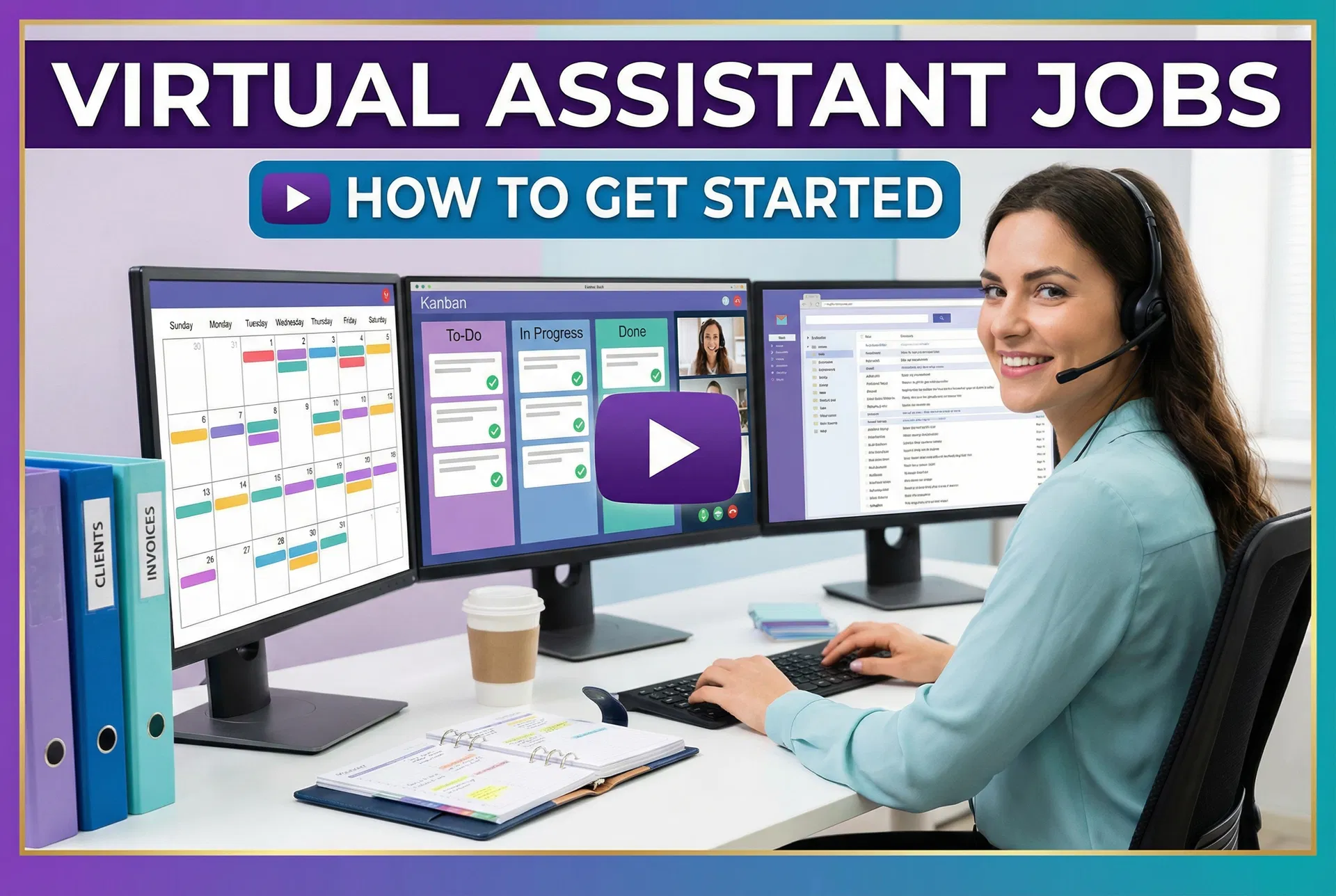
Virtual Assistant Jobs: How to Get Started
Learn how to become a virtual assistant and start earning money managing tasks for busy professionals.
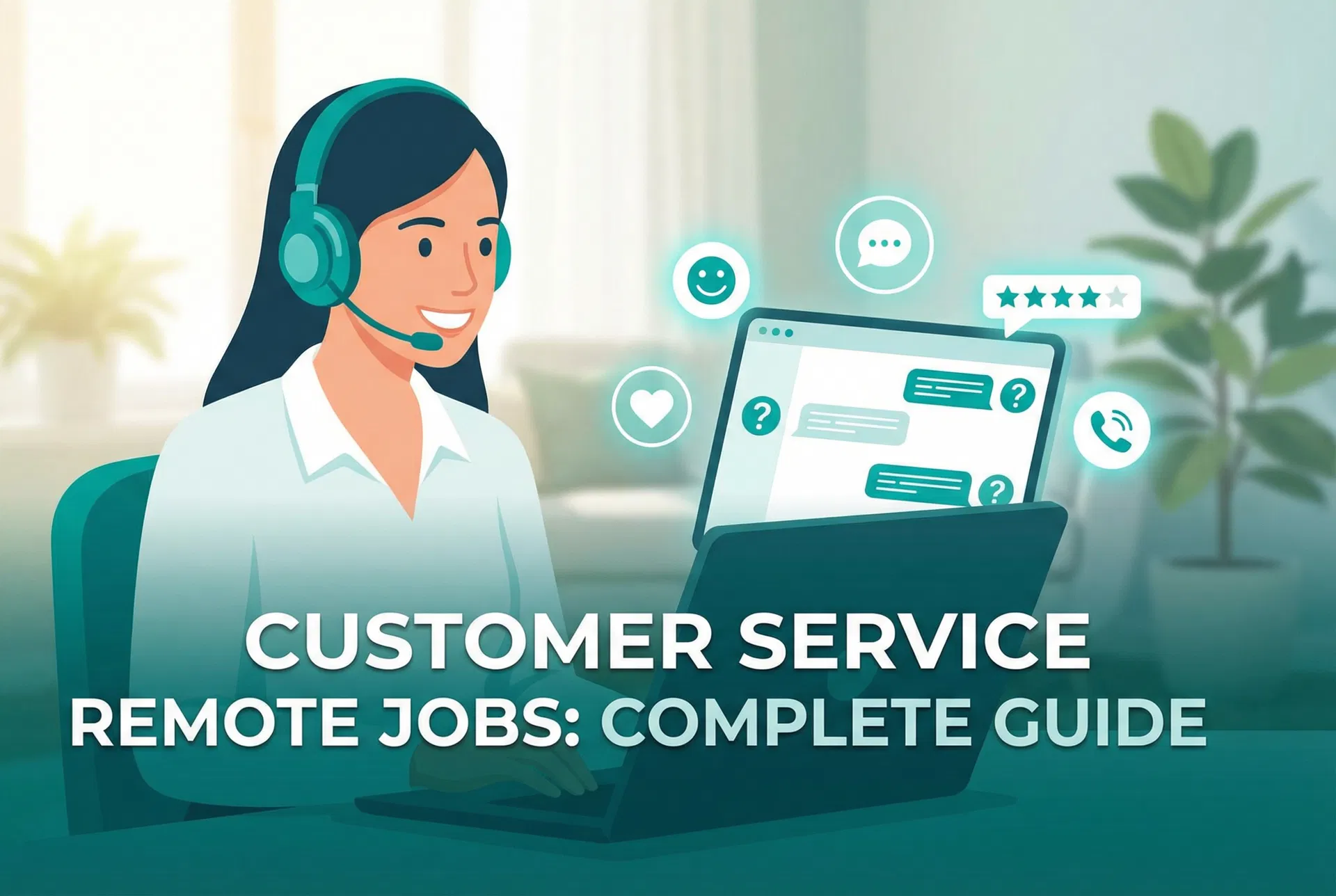
Customer Service Remote Jobs: Complete Guide
Find legitimate remote customer service jobs and learn what companies are hiring.

Data Entry Jobs Online: Legitimate Opportunities
Explore legitimate online data entry jobs and the best platforms to find them.