Best Freelancing Platforms for Beginners in 2024
Compare the best freelancing platforms for beginners including Upwork, Fiverr, Freelancer, and PeoplePerHour.
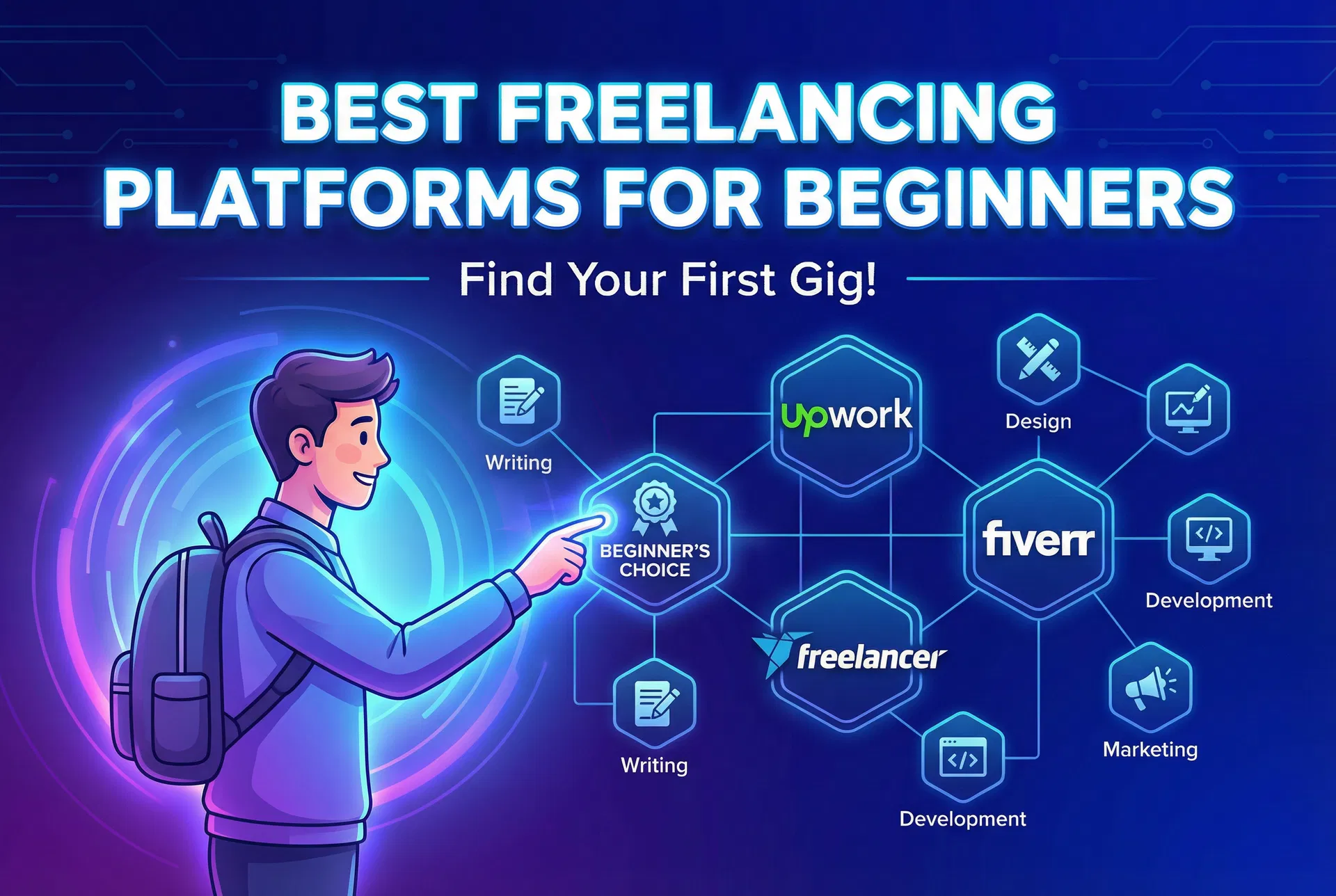
Best Freelancing Platforms for Beginners in 2024
Introduction: Navigating the Freelance Landscape as a Beginner
The allure of freelancing has never been stronger. The promise of being your own boss, setting your own hours, and working from anywhere in the world is a powerful motivator. However, the reality of starting a freelance career can be daunting, especially for beginners. The freelance marketplace is a vast and competitive landscape, and navigating it successfully requires a combination of skill, strategy, and perseverance.
New freelancers often face a myriad of challenges, from the overwhelming number of platforms to choose from to the struggle of landing their first client. It's easy to get discouraged when faced with a sea of experienced freelancers and the pressure to build a portfolio from scratch. This is why it's crucial to approach your freelance journey with realistic expectations. Success doesn't happen overnight, and building a sustainable freelance business takes time and effort.
This guide is designed to help you navigate the exciting world of freelancing. We'll explore the best freelancing platforms for beginners in 2024, providing insights into their pros and cons, and offering practical tips to help you get started. We'll also delve into realistic earning potential, common challenges, and actionable steps you can take to set yourself up for success. Remember, every successful freelancer started where you are now. With the right guidance and a healthy dose of determination, you too can build a thriving freelance career.
Top Freelancing Platforms for Beginners
Choosing the right platform is a critical first step in your freelance journey. While there are countless options available, some are more beginner-friendly than others. Here’s a breakdown of the top platforms that offer a solid starting point for new freelancers, based on user reviews and expert opinions.
1. Fiverr
Fiverr has established itself as one of the most popular platforms for freelancers, particularly those just starting out. Its gig-based model simplifies the process of offering services. You create a “gig,” which is a specific service you offer for a set price, and clients come to you. This approach eliminates the need to constantly bid on projects, which can be a significant advantage for beginners.
Pros:
- **User-Friendly:** The platform is incredibly easy to navigate, allowing you to set up a gig and portfolio in under an hour.
- **High Demand:** With millions of active clients, Fiverr offers a vast pool of potential customers, providing immediate exposure for your services.
- **No Upfront Costs:** You can create and list your gigs for free. Fiverr only takes a commission once you start earning.
Cons:
- **High Competition:** The platform's popularity means you'll be competing with a large number of other freelancers.
- **Service Fee:** Fiverr charges a 20% service fee on all earnings, which is higher than many other platforms.
- **Price Pressure:** The platform's emphasis on affordability can lead to lower pay rates, especially for beginners.
**Tips for Beginners:** To succeed on Fiverr, focus on creating compelling and well-defined gigs. Optimize your profile with relevant keywords and a professional photo. Promoting your gigs on social media can also help drive traffic and attract your first clients.
2. Upwork
Upwork is another giant in the freelancing world, offering a more traditional project-based approach. Clients post jobs, and freelancers submit proposals to win the work. While this can be more competitive, it also provides access to a wide range of projects, from short-term tasks to long-term collaborations.
Pros:
- **Project Variety:** Upwork offers a diverse range of projects across numerous industries and skill sets.
- **Flexible Payment Structures:** You can choose between hourly and fixed-price projects, providing flexibility in how you charge for your services.
- **Built-in Tools:** The platform includes features like a time tracker and an escrow system, which help ensure you get paid for your work.
Cons:
- **High Competition:** As one of the largest platforms, Upwork is highly competitive, making it challenging for beginners to stand out.
- **“Connects” System:** You need to use “Connects,” the platform’s virtual currency, to apply for jobs. While you get a monthly allowance, you may need to purchase more to apply for a sufficient number of projects.
- **Service Fee:** Upwork charges a sliding service fee, starting at 10% and decreasing as your lifetime billings with a client increase.
**Tips for Beginners:** When starting on Upwork, focus on building a strong profile that showcases your skills and experience. Start by applying for smaller projects to gain experience and build a portfolio of positive reviews. Tailor each proposal to the specific job, highlighting how your skills can benefit the client.
3. PeoplePerHour
PeoplePerHour offers a middle ground between the gig-based model of Fiverr and the project-based approach of Upwork. It has a smaller user base than the two giants, which can be an advantage for beginners looking to avoid the intense competition.
Pros:
- **Less Competition:** With fewer freelancers on the platform, it can be easier to get noticed and land your first few projects.
- **Free to Join:** You can create a profile and start browsing for jobs without any upfront fees.
- **Diverse Job Categories:** The platform offers a wide range of job categories, from web development to writing and design.
Cons:
- **Service Fees:** PeoplePerHour charges a service fee that varies depending on your lifetime billings, ranging from 3.5% to 20%.
**Tips for Beginners:** To make the most of PeoplePerHour, focus on your niche skills to stand out. Craft compelling proposals that clearly articulate your value proposition and how you can help the client achieve their goals.
4. Other Promising Platforms for Beginners
Beyond the major players, several other platforms offer unique opportunities for new freelancers to find work and build their careers.
- **Guru:** This platform provides a flexible work environment where freelancers can search for jobs by skill or keywords and bid on projects. Guru emphasizes secure payments and a clear communication system between clients and freelancers.
- **SimplyHired:** Acting as a job search engine, SimplyHired aggregates freelance listings from various company websites, job boards, and staffing agencies. This broad reach can help beginners discover opportunities they might not find on dedicated freelance platforms.
- **LinkedIn:** While not a traditional freelancing platform, LinkedIn is an invaluable tool for professional networking and direct client outreach. Building a strong profile, showcasing your work, and actively engaging with your industry can lead to direct freelance opportunities without platform fees.
- **Jobbers:** This platform positions itself as a commission-free option for freelancers, allowing them to keep 100% of their earnings. This can be a significant advantage for beginners looking to maximize their income, though it may have a smaller client base compared to more established platforms.
Realistic Earning Potential and Timelines
One of the most common questions for new freelancers is about earning potential. It's important to approach this with a realistic mindset, as income can vary significantly based on several factors.
**Initial Earnings:** For most beginners, initial earnings are often modest. The first few months, or even the first year, are typically focused on building a portfolio, gaining experience, and accumulating positive reviews. Many freelancers start by taking on smaller, lower-paying projects to establish credibility.
**Growth:** As you gain experience, refine your skills, and build a strong reputation, your earning potential will naturally increase. Experienced freelancers with specialized skills and a solid client base can command significantly higher rates. It's a gradual process, and consistency is key.
Factors Influencing Income:
- **Niche and Skill Level:** Highly specialized or in-demand skills often lead to higher pay rates.
- **Effort and Time Investment:** The more time and effort you dedicate to your freelance business, the greater your potential earnings.
- **Platform Fees:** As discussed, most platforms charge a percentage of your earnings, which will impact your net income.
- **Client Relationships:** Building long-term relationships with clients can provide a steady stream of work and reduce the need for constant client acquisition.
**Timeline:** Establishing a stable and substantial freelance income typically takes time. While some may achieve it faster, it's realistic to expect it to take anywhere from **6 to 12 months or even longer** to build a consistent income stream. Patience and persistence are crucial during this initial phase.
Common Challenges for Beginner Freelancers
Freelancing, while rewarding, comes with its own set of challenges, especially for those new to the game. Being aware of these obstacles can help you prepare and overcome them.
- **High Competition:** Popular platforms are often saturated with freelancers, making it difficult for newcomers to stand out and secure projects.
- **Inconsistent Income:** One of the biggest hurdles is the unpredictable nature of freelance work. Dry spells, where work is scarce, are common, and managing finances during these periods can be stressful.
- **Building a Portfolio:** Landing your first clients can be a Catch-22: you need experience to get clients, but you need clients to get experience. This can be a significant barrier for beginners.
- **Client Acquisition:** Effectively marketing yourself and finding new clients is an ongoing process that requires time and effort. Many new freelancers struggle with self-promotion.
- **Platform Fees:** The various fees charged by freelancing platforms can significantly reduce your overall earnings, especially on smaller projects.
- **Time Management & Self-Discipline:** As your own boss, you are responsible for managing your time, meeting deadlines, and staying motivated. This requires a high degree of self-discipline and organizational skills.
Actionable Steps for Success
While the challenges may seem daunting, there are concrete steps you can take to increase your chances of success as a beginner freelancer.
- **Identify Your Niche:** Instead of trying to be a jack-of-all-trades, focus on a specific skill or service. Specializing makes you more marketable and allows you to command higher rates.
- **Build a Strong Portfolio:** Even if you don't have paid client work, create sample projects that showcase your abilities. Offer your services to friends or family, or participate in pro bono work to build initial examples.
- **Optimize Your Profile:** Your freelance profile is your digital resume. Ensure it's professional, clearly articulates your skills and services, and is rich in keywords that potential clients might use to find you.
- **Start Small:** Don't be afraid to take on smaller, lower-paying projects initially. These can help you gain experience, accumulate positive reviews, and build confidence.
- **Network:** Connect with other freelancers, join online communities, and attend industry events. Networking can lead to collaborations, referrals, and valuable insights.
- **Continuous Learning:** The freelance landscape is constantly evolving. Stay updated with industry trends, learn new skills, and continuously improve your craft to remain competitive.
- **Financial Planning:** Given the inconsistent nature of freelance income, it's crucial to have a financial plan. Set aside funds for dry spells, track your income and expenses, and consider professional advice for taxes.
Conclusion: Embrace the Journey with Realistic Expectations
Embarking on a freelance career as a beginner in 2024 is an exciting endeavor filled with immense potential. While the journey may present its share of challenges, the rewards of autonomy, flexibility, and the ability to pursue your passions are well worth the effort. Remember that success in freelancing is not an overnight phenomenon; it's a marathon that requires patience, perseverance, and continuous learning. By choosing the right platforms, setting realistic expectations, and diligently applying actionable strategies, you can steadily build a thriving freelance business. Embrace the learning process, celebrate small victories, and never stop refining your skills. Your freelance journey is unique, and with dedication, you can carve out a successful and fulfilling career.
Ready to Start?
Explore more resources and guides to help you succeed in your online income journey.
Related Articles

How to Start Freelancing with No Experience: A Complete Guide
A complete guide on how to start freelancing with no experience. Learn to identify skills, build a portfolio, find clients, and grow your freelance career.
How to Build a Freelancing Portfolio That Gets Clients
Learn effective strategies to build a compelling freelance portfolio that attracts clients and showcases your best work.
Remote Work Jobs for Beginners: No Experience Needed
Discover remote job opportunities perfect for beginners with no experience required.